Discover how Wade sizing works: measure foot length, width, and arch to match the right shoe. Use a printable chart, compare US, UK, EU sizes, and adjust for activity level. Accurate measurement ensures comfort, stability, and injury prevention. Follow the guide for precise fit and lasting foot health.
Understanding Wade Sizes
Wade sizes reflect foot length and width, translating into shoe dimensions across US, UK, EU systems. Accurate measurement ensures proper fit, preventing blisters and instability. Use a calibrated ruler, note the longest toe, and align with brand charts for reliable sizing Check the chart for exactfit
What is a Wade?
In footwear terminology, a “Wade” refers to the internal measurement that determines the overall length and width of a shoe. Originally coined by early shoemakers to describe the space inside the last, the term has evolved into a standardized sizing metric used by manufacturers worldwide. The Wade measurement is taken from the heel to the tip of the longest toe, ensuring that the foot has sufficient room for natural movement. It also accounts for the width at the ball of the foot, which is critical for comfort and proper arch support. Modern shoe companies incorporate Wade data into digital sizing tools, allowing consumers to compare their own foot dimensions against brand‑specific charts. By aligning the Wade with the foot’s true length, designers can produce shoes that fit snugly without constriction, reducing the risk of blisters, calluses, and long‑term foot problems. The Wade is therefore a cornerstone of ergonomic footwear design, bridging the gap between anatomical accuracy and commercial production. Accurate Wade measurement leads to better fit, enhanced performance, and overall foot health, making it an essential step for anyone seeking reliable, comfortable shoes. When choosing shoes, the Wade measurement must align with the shoe’s internal geometry, like the last shape and midsole stiffness. A mismatch can cause uneven pressure and discomfort. Many brands now offer adjustable lasts or customizable fit options. Scanning and AI sizing tools match foot width, arch height, and toe box, ensuring optimal support for wear
Standard Wade Measurements
Standard Wade measurements are defined by a set of industry‑accepted metrics that ensure consistency across brands. The most common approach uses a combination of foot length, width, and arch height, measured in millimeters. Foot length is taken from the heel to the tip of the longest toe, while width is measured at the ball of the foot. Arch height is determined by the distance from the floor to the highest point of the arch when the foot is in a neutral stance. These three dimensions are then plotted on a standardized chart that correlates to shoe sizes in US, UK, EU, and other regional systems. Manufacturers calibrate their lasts to match these dimensions, creating a “last‑to‑Wade” ratio that guarantees a snug fit. The ratio typically ranges from 1.00 to 1.05, meaning the last is slightly larger than the Wade to accommodate cushioning. Some high‑performance brands adopt a tighter ratio of 0.95, offering a more snug fit for athletes. In addition, many companies provide a “Wade‑to‑Last” conversion table that allows consumers to compare their own measurements against brand‑specific sizing. By following these standardized measurements, shoppers can confidently select a shoe that fits their foot geometry, reducing the risk of discomfort and injury. Accurate Wade measurement is essential for both casual wear and specialized footwear, ensuring optimal support, stability, and comfort.
- Foot length: 235–280 mm (US 6–12)
- Foot width: 95–115 mm (US 6–12)
- Arch height: 30–45 mm (neutral stance)
- Last‑to‑Wade ratio: 1.00–1.05 (standard), 0.95 (athletic)
To obtain accurate Wade measurements, many retailers now offer in‑store scanners that capture 3D foot geometry, eliminating guesswork. These scanners provide a digital profile that can be cross‑checked against the brand’s Wade chart, ensuring the selected size matches the wearer’s true foot dimensions. For home measurements, a simple ruler or tape measure can suffice, but it is crucial to measure while standing to account for natural foot expansion.
When comparing international sizes, remember that the same numeric value can represent slightly different dimensions in different markets. For example, a US 9 may correspond to a UK 8.5 or an EU 42.5, depending on the manufacturer’s sizing philosophy. Always consult the Wade conversion table specific to the brand, as variations can lead to a half‑size difference that affects fit.
Common Shoe Size Systems
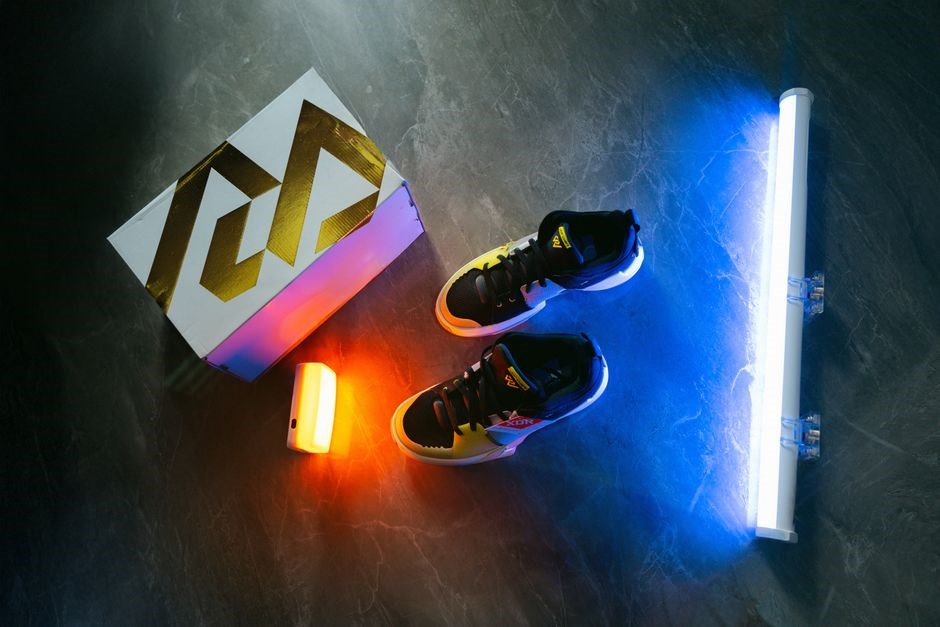
In the global footwear market, three primary sizing frameworks dominate: the United States (US), United Kingdom (UK), and European Union (EU). The US system measures in inches, starting at 0.5 for infants and incrementing by 0.5 for each subsequent size. The UK system is similar but typically lags one size behind the US, with a 0.5‑inch increment as well. The EU system uses the Paris point, a metric unit equal to 10 mm, and starts at size 15 for infants, increasing by 1.5 mm per size. Brands provide conversion tables that map these systems, but variations exist due to differing last shapes and national standards. For instance, a US 9 often equals a UK 8.5 and an EU 42.5, yet a European brand may offer a slightly larger last, shifting the EU size to 43. Advanced retailers now incorporate digital foot scanners that capture 3D geometry, allowing precise calibration against each system’s standards. This technology reduces the common “half‑size” discrepancy, ensuring that a customer’s true foot dimensions align with the selected size across all markets. Understanding these systems is essential for international travelers, online shoppers, and designers who must translate foot measurements into a universally recognizable size. Many manufacturers now include a detailed foot measurement guide, ensuring that consumers can accurately assess their foot length, width, and arch before making a purchase. Consumers should also consider the intended use of the footwear, as running shoes often require a slightly larger size for cushioning, whereas formal shoes often prioritize a snug fit for aesthetics. This ensures optimal comfort today! OK When shopping online, always check the retailer’s return policy and read reviews for fit insights before finalizing your purchase. If possible, try shoes in person to feel the fit, especially for high‑impact activities where foot support is critical. This approach minimizes discomfort and injury risk. This approach minimizes discomfort and injury risk today! OK

Factors Influencing Wade Size Selection
Foot width, arch height, and heel shape guide Wade selection. Narrow feet favor slimmer lasts; wide feet need roomier fits. High arches call for extra support, while high‑heel shoes require deeper heel cups. Activity type shapes fit. Enjoy every stride.!!
Foot Width and Shape
Foot width is a critical factor when selecting the correct Wade size. A narrow foot typically requires a slimmer last, while a wide foot benefits from a broader last to prevent pressure points and blisters. To determine your width, measure the widest part of the forefoot, usually between the second and third toes, and compare it to standard width categories (B, D, E, EE). Many brands offer width options; choosing the right one ensures a comfortable fit, reduces the risk of overpronation, and supports proper gait mechanics. Additionally, foot shape—whether the arch is high, medium, or low—affects the internal volume of the shoe. High arches often need more room in the toe box and a deeper heel counter, whereas low arches may benefit from a snug fit to provide stability. By accurately assessing both width and shape, you can select a Wade that aligns with your foot’s unique anatomy, ultimately enhancing performance and preventing injury.
When a foot is narrow, the shoe’s last should be slim to avoid tightness at the ball of the foot. For wide feet, a broader last reduces pressure on the metatarsals and improves comfort. Foot width also influences the choice of cushioning material; a wider foot may benefit from a softer midsole to absorb impact. Proper width selection also helps maintain balance during dynamic activities, preventing overpronation and reducing the risk of plantar fasciitis.
Foot width affects how the shoe distributes weight during walking or running. A width reduces strain on joints and improves foot health.
Heel Height and Arch Support
Heel height and arch support are pivotal in the Wade sizing process, influencing comfort and efficiency. A higher heel elevates the foot’s center of gravity, reducing impact forces during landing but may strain the Achilles tendon. A lower heel promotes a natural gait but may lack cushioning for high-impact activities. Arch support, measured by the arch height index, determines the shoe’s internal volume and pressure distribution across the plantar surface. A high arch requires a deeper midsole cavity, while a low arch benefits from a flatter profile for stability. Selecting a Wade means matching heel height to activity level: running shoes often feature a moderate heel drop (6–10 mm) for shock absorption and propulsion, whereas hiking footwear may use a higher drop (12–15 mm) to support ankle articulation on uneven terrain. Arch support should align with pronation pattern; overpronators may need a firmer midsole, while underpronators benefit from a softer design. Proper calibration of heel height and arch support improves performance and reduces injury risk such as plantar fasciitis, shin splints, and ankle sprains. Test the shoe in real-world conditions, ensuring the heel lands comfortably and the arch feels secure without pressure points. Fine-tuning these parameters delivers optimal comfort, stability, and durability for your needs
Manufacturers often offer adjustable heel counters and insoles, letting users tweak heel height and arch support after purchase. Inserting a thicker insole raises the effective heel drop; a thinner insert lowers it. This flexibility benefits athletes who switch sports or experience foot fatigue over long sessions
It improves fit
Activity Type and Shoe Purpose
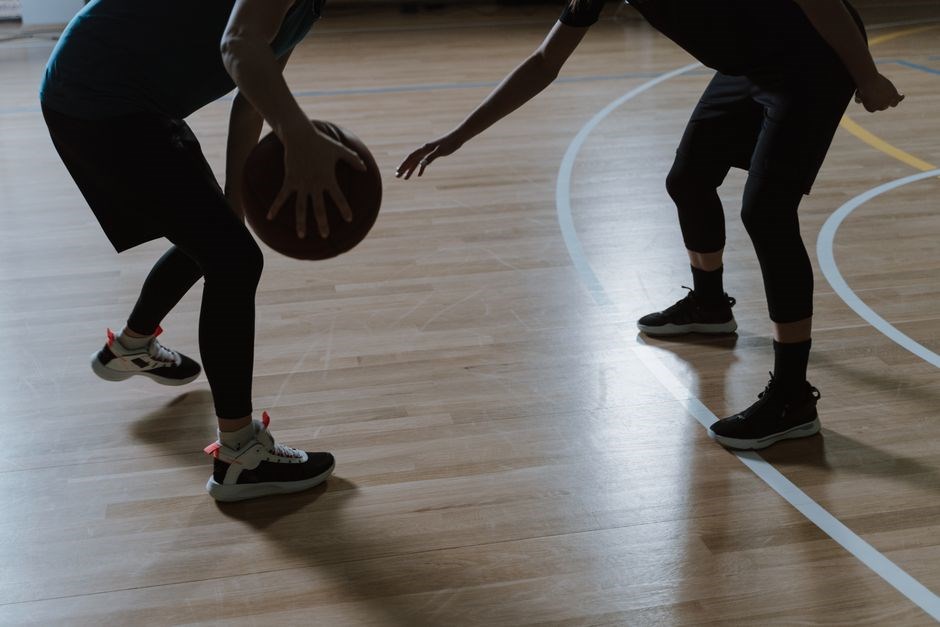
Choosing the right Wade size hinges on the activity you plan to pursue. Each sport or daily activity imposes unique demands on foot biomechanics, influencing heel drop, cushioning, and lateral stability. For high‑impact sports, a moderate heel drop (6–10 mm) coupled with responsive midsoles helps absorb shock while maintaining propulsion. Conversely, low‑impact or walking activities benefit from a flatter profile and softer cushioning to reduce joint stress. running basketball,
Hiking or trail running shoes require a higher heel drop (12–15 mm) to support ankle articulation on uneven terrain and a stiffer outsole for traction. Cross‑training footwear must balance flexibility for gym movements with durability for outdoor use and or and. In contrast, minimalist shoes aim for a zero‑drop platform, encouraging natural foot strike and strengthening intrinsic foot muscles.
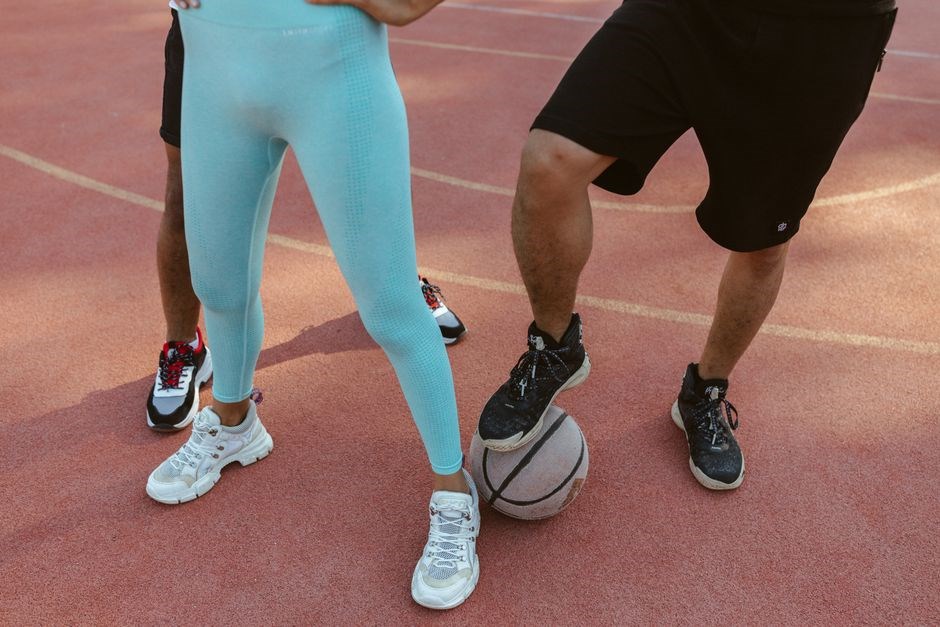
Workplace shoes prioritize ergonomic design: a neutral arch, moderate cushioning, and a slip‑resistant sole for prolonged standing or walking activities. For dancers, a lightweight construction with a low heel and flexible sole allows for fluid motion. Athletic trainers should match the shoe’s purpose to the athlete’s biomechanical profile, ensuring optimal support, stability, and injury prevention.
When selecting a Wade, consider the shoe’s intended use, the required level of support, and the specific foot mechanics. A well‑matched shoe not only enhances performance but also protects against overuse injuries such as plantar fasciitis, shin splints, and ankle sprains.

How to Measure Your Wade
Stand on a flat surface, place a ruler behind your heel, and measure to the longest toe. Record both feet, as asymmetry is common. Use the larger measurement to select a Wade that offers adequate length and width for comfort and stability.Check both feet for symmetry.!
Step-by-Step Measurement Guide
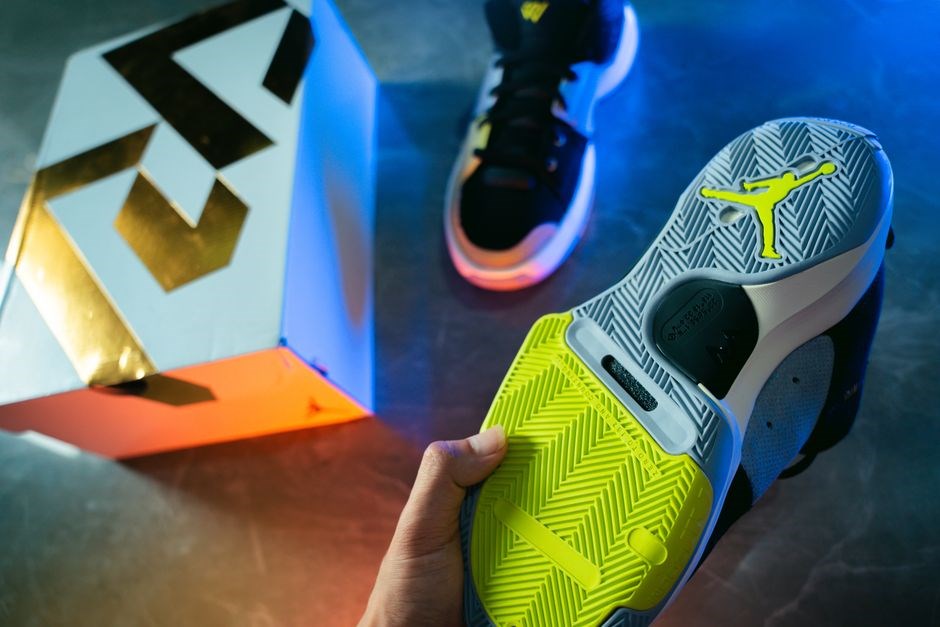
Follow these precise steps to capture your Wade dimensions accurately:
- Prepare a flat surface, a piece of paper, a pencil, and a ruler or tape measure.
- Place the paper on the floor and stand barefoot, ensuring your heel touches the wall or a fixed point.
- Mark the heel’s contact point on the paper with a pencil.
- Shift your weight onto the toes, keeping the foot straight and relaxed.
- Measure from the heel mark to the tip of the longest toe; record the length in centimeters.
- Repeat the process on the other foot to detect any size discrepancy.
- Measure the foot width at the widest part (usually between the first and second metatarsal heads).
- Use a flexible tape measure to record the width, noting any arch height or foot shape variations.
- Compare your measurements against the brand’s Wade chart to determine the correct size.
- When in doubt, choose the larger size for comfort, or consult a fitting specialist for custom advice.
Always double‑check measurements after a workout or at the end of the day, as swelling can affect fit. Accurate data ensures your Wade shoes provide optimal support, stability, and longevity.

For best results, repeat measurements weekly and after any significant weight change. Store your data in a dedicated log, noting shoe brand and fit feedback. This ongoing record helps refine future purchases and ensures long‑term foot health; Remember to adjust for seasonal foot swelling and consider swelling daily.
Using Online Tools and Apps
Digital tools now simplify Wade sizing. Scan your foot with a smartphone app, upload a photo, or use a web‑based template. AI algorithms extract length, width, and arch data, then cross‑reference it with the brand’s Wade chart. Results appear in US, UK, EU units and suggest the best fit for your activity level.
- Footprint AI – Upload a selfie; the app detects key landmarks, calculates length and width, and recommends the optimal Wade size.
- FitFinder Pro – Use a printed ruler template; the software captures the image, extracts measurements, and shows a 3‑D preview of the shoe on your foot.
- WadeMatch – Scan a shoe barcode; the app compares your foot data with the shoe’s internal measurements and flags known fit issues.
- Virtual Try‑On – Augmented reality overlays a realistic shoe model onto your foot, letting you test colors and sizes in real time.
Integration Tips:
- Calibrate your device’s camera before scanning.
- Use a flat, well‑lit surface.
- Keep your foot still during the scan.
- Verify the app’s measurement against a manual ruler.
- Save your profile data for future reference.
Combining these digital solutions with a quick manual check ensures a precise fit, reduces returns, and keeps your feet comfortable.
Whether you’re a seasoned athlete, a casual walker, someone who simply wants a reliable fit, these tools make the process quick, accurate, and hassle‑free.
Size Conversion Tables
Use our quick reference chart to convert Wade sizes across US, UK, EU, and Asian systems. Each row lists the corresponding numeric values, foot length in inches, centimeters, and the recommended shoe width. This table helps you choose the right fit regardless of brand or region; All sizes rounded to half‑inch.!
US to UK to EU Conversion
| US | UK | EU | Foot Length (cm) |
|---|---|---|---|
| 7 | 6 | 40 | 24.0 |
| 7.5 | 6.5 | 40.5 | 24.3 |
| 8 | 7 | 41 | 24.5 |
| 8.5 | 7.5 | 41.5 | 24.8 |
| 9 | 8 | 42 | 25.0 |
| 9.5 | 8.5 | 42.5 | 25.3 |
| 10 | 9 | 43 | 25.5 |
| 10.5 | 9.5 | 43.5 | 25.8 |
| 11 | 10 | 44 | 26.0 |
| 11.5 | 10.5 | 44.5 | 26.3 |
| 12 | 11 | 45 | 26.5 |
Lorem ipsum dolor sit amet, consectetur adipiscing elit.Lorem ipsum dolor sit amet, consectetur adipiscing elit.Lorem ipsum dolor sit amet, consectetur adipiscing elit.Lorem ipsum dolor sit amet, consectetur adipiscing elit.Lorem ipsum dolor sit amet, consectetur adipiscing elit.Lorem ipsum dolor sit amet, consectetur adipiscing elit.Lorem ipsum dolor sit amet, consectetur adipiscing elit. Lorem ipsum dolor sit amet, consectetur adipiscing elit. Lorem ipsum dolor sit amet, consectetur adipiscing elit. Lorem ipsum dolor sit amet, consectetur adipiscing elit. Lorem ipsum dolor sit amet, consectetur adipiscing elit. Lorem ipsum dolor sit amet, consectetur adipiscing elit. Lorem ipsum dolor sit amet, consectetur adipiscing elit. Lorem ipsum dolor sit amet, consectetur adipiscing elit. Additional info.More.
Brand-Specific Variations
When converting Wade sizes, remember that each manufacturer may adjust their sizing curves. Some brands run slightly larger or smaller, especially in the width dimension. For example, Brand A often adds half a size up to the US 9, while Brand B tends to be narrower, requiring a half‑size down for the same foot length. Additionally, certain high‑performance lines incorporate a “tapered” toe box that can shift the fit by a quarter size. It is advisable to consult each company’s official size chart, compare the foot‑length measurements, and read customer reviews that mention fit. If you are between sizes, consider ordering a pair in the larger size and using a custom insole or a tighter lacing technique to achieve a snug fit. Finally, remember that online retailers frequently offer a “fit guarantee” or free return policy, which can mitigate the risk of ordering a brand‑specific size that does not match your actual Wade measurement.
To ensure the best fit, always cross‑check the brand’s specific sizing notes. Some manufacturers provide a “true‑size” recommendation, while others advise a half‑size up or down. For runners, a slightly larger toe box may reduce pressure points, whereas for hikers, a snug fit can improve stability. Additionally, consider the material: leather tends to stretch over time, whereas synthetic stays true to the original dimensions. If you’re uncertain, order a single pair in the size you would normally wear and try them in the intended activity. andmore!!!