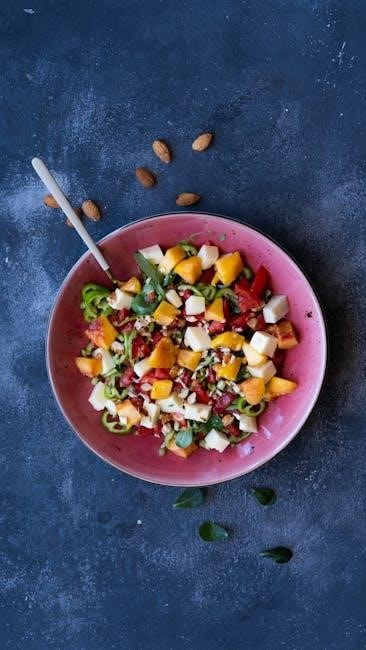
An anti-inflammatory diet centers on food choices that combat inflammation‚ prioritizing antioxidants and limiting pro-inflammatory items like processed foods and sugars.
What is Chronic Inflammation?
Chronic inflammation isn’t the immediate‚ helpful response to injury or infection; it’s a prolonged‚ low-grade immune activation in the body. Unlike acute inflammation‚ which resolves quickly‚ chronic inflammation persists for extended periods‚ contributing to a host of health issues. It arises from various factors‚ including diet‚ lifestyle‚ environmental toxins‚ and even chronic stress.
This persistent inflammatory state isn’t always outwardly noticeable‚ but it silently damages tissues and organs over time. The foods we consume significantly influence this process – some choices actively fight inflammation (anti-inflammatory)‚ while others trigger or worsen it (pro-inflammatory). Managing inflammation through dietary adjustments is therefore crucial for overall well-being and disease prevention.
The Role of Diet in Inflammation
Diet plays a pivotal role in modulating inflammation within the body. The modern Western diet‚ often high in ultra-processed foods‚ refined carbohydrates‚ unhealthy fats‚ and added sugars‚ is strongly linked to increased systemic inflammation. These foods trigger inflammatory responses‚ elevating markers of inflammation and contributing to chronic disease risk.
Conversely‚ a diet rich in whole‚ unprocessed foods – fruits‚ vegetables‚ healthy fats‚ and lean proteins – provides the nutrients needed to combat inflammation. Specifically‚ foods abundant in antioxidants and polyphenols help neutralize free radicals and reduce inflammatory pathways. Essentially‚ we have considerable control over inflammation management through conscious food choices‚ actively choosing foods that support our body’s natural defenses.

Key Principles of an Anti-Inflammatory Diet
Prioritize whole‚ unprocessed foods brimming with antioxidants‚ while diligently minimizing intake of pro-inflammatory agents like sugars‚ refined carbs‚ and unhealthy fats.
Focus on Whole‚ Unprocessed Foods
The cornerstone of an anti-inflammatory diet is a commitment to whole‚ unprocessed foods. This means centering your meals around fruits‚ vegetables‚ lean proteins‚ and whole grains in their natural state. Avoiding heavily processed items is crucial‚ as these often contain inflammatory ingredients like added sugars‚ unhealthy fats‚ and artificial additives.
Embrace foods that are as close to their source as possible – think fresh produce‚ minimally refined grains like quinoa and brown rice‚ and proteins that haven’t been heavily altered. This approach ensures you’re receiving maximum nutritional benefit and minimizing exposure to substances that can trigger inflammation. Choosing whole foods empowers you to actively manage inflammation through dietary choices.
Prioritizing Antioxidant-Rich Foods

Antioxidants play a vital role in combating inflammation by neutralizing free radicals‚ unstable molecules that contribute to cellular damage. An anti-inflammatory diet heavily emphasizes foods brimming with these protective compounds. Colorful fruits and vegetables are particularly potent sources‚ offering a wide spectrum of antioxidants like vitamins‚ minerals‚ and phytonutrients.
Specifically‚ polyphenols – found abundantly in soy isoflavones‚ green tea catechins‚ and quercetin-rich produce – demonstrate significant anti-inflammatory effects. Regularly incorporating these foods into your diet helps bolster your body’s natural defenses against inflammation‚ promoting overall health and well-being. Prioritizing antioxidants is a proactive step towards reducing systemic inflammation markers.

Foods to Embrace on an Anti-Inflammatory Diet
Focus on a diet rich in fruits‚ vegetables‚ fatty fish (omega-3s)‚ nuts‚ seeds‚ and olive oil to actively fight inflammation within the body.
Fruits and Vegetables: A Colorful Spectrum
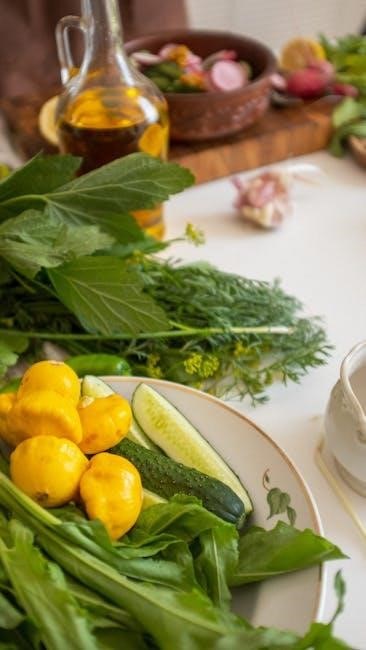
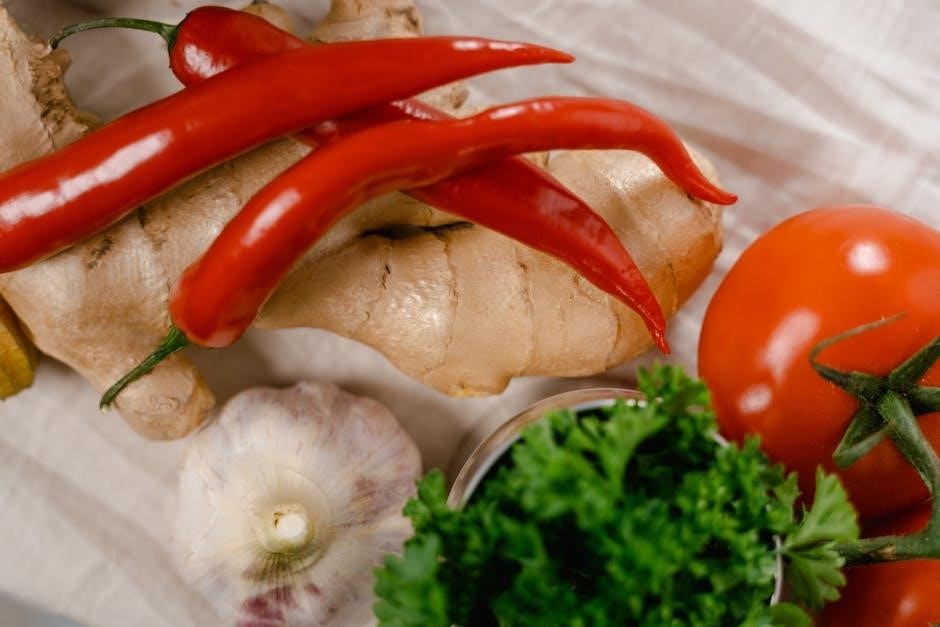
A cornerstone of any anti-inflammatory diet is a vibrant array of fruits and vegetables. These aren’t just sources of essential vitamins and minerals; they’re packed with potent antioxidants and beneficial compounds like polyphenols‚ specifically quercetin.
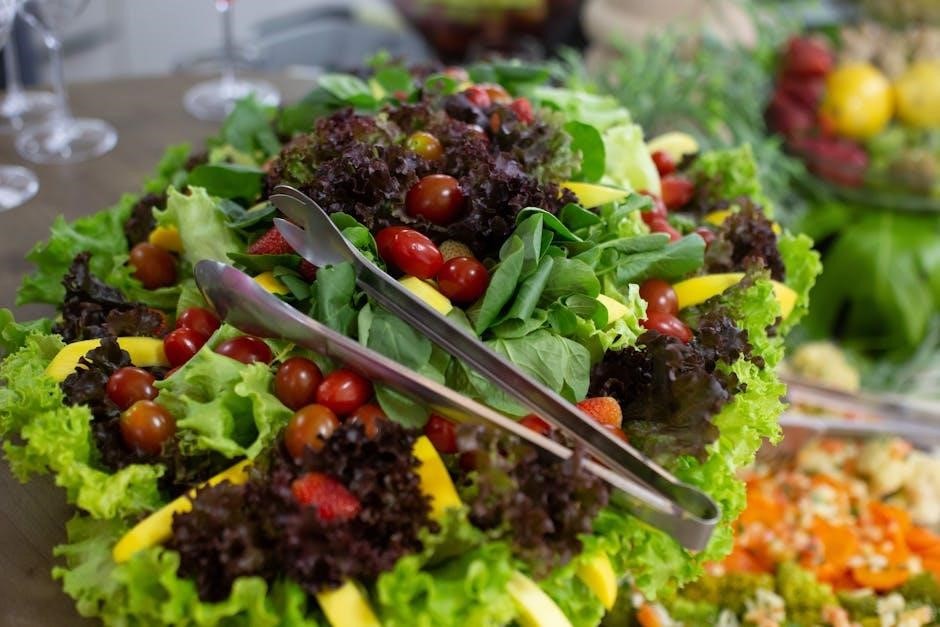
Prioritizing a ‘colorful spectrum’ ensures a diverse intake of these protective elements. Different colors often indicate different phytonutrients‚ each offering unique anti-inflammatory benefits. Berries‚ leafy greens‚ tomatoes‚ and cruciferous vegetables like broccoli are particularly valuable.
These foods actively combat inflammation by neutralizing free radicals and reducing systemic inflammation markers; Increasing fruit and vegetable consumption is a fundamental step towards managing inflammation and promoting overall health‚ decreasing the risk of mortality.
Fatty Fish: Omega-3 Powerhouses
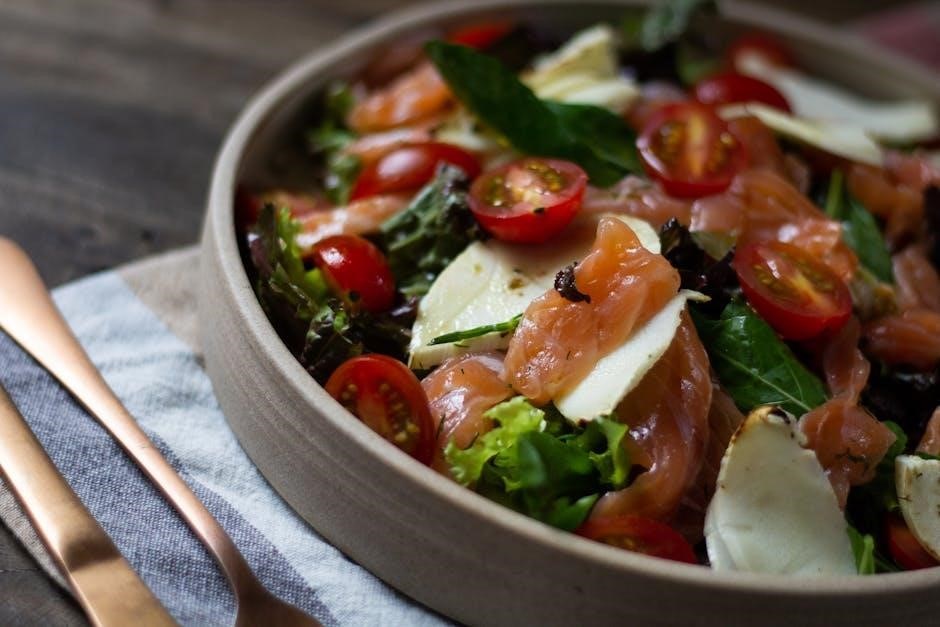
Fatty fish‚ such as salmon‚ mackerel‚ tuna‚ and sardines‚ are central to an anti-inflammatory diet due to their rich content of omega-3 fatty acids. These essential fats play a crucial role in reducing inflammation throughout the body‚ impacting systemic inflammation markers positively.
Omega-3s help resolve inflammation by influencing the production of eicosanoids and cytokines – molecules involved in the inflammatory process. Regularly incorporating fatty fish into your diet can significantly lower the risk of chronic diseases linked to inflammation.
Aim for at least two servings per week to reap the full benefits. This dietary choice actively combats inflammation‚ contributing to improved overall health and potentially decreasing the risk of mortality.
Nuts and Seeds: Healthy Fats and Nutrients
Nuts and seeds are valuable additions to an anti-inflammatory diet‚ providing a wealth of healthy fats‚ fiber‚ and essential nutrients. Walnuts‚ flaxseeds‚ chia seeds‚ and almonds are particularly beneficial‚ offering a good source of alpha-linolenic acid (ALA)‚ a type of omega-3 fatty acid.
These components contribute to reducing inflammation by influencing inflammatory pathways within the body. Beyond omega-3s‚ nuts and seeds are packed with antioxidants‚ further bolstering the body’s defense against oxidative stress and inflammation.
Regular consumption supports overall health and may lower the risk of chronic diseases. Incorporate a handful daily as a snack or add them to meals for an anti-inflammatory boost;
Olive Oil: The Mediterranean Staple
Extra virgin olive oil (EVOO) is a cornerstone of the Mediterranean diet‚ renowned for its potent anti-inflammatory properties. Rich in monounsaturated fats and powerful antioxidants‚ particularly oleocanthal‚ EVOO actively combats inflammation within the body‚ mirroring the effects of ibuprofen.
Oleocanthal inhibits the production of pro-inflammatory molecules‚ offering a natural approach to reducing systemic inflammation. Choosing EVOO over other oils provides a flavorful and health-promoting addition to meals.
Use it liberally in salad dressings‚ for drizzling over vegetables‚ or as a cooking oil at low to moderate temperatures to preserve its beneficial compounds. Prioritizing EVOO supports overall well-being and reduces inflammation.
Foods to Limit or Avoid
Minimize red and processed meats‚ sugary items‚ refined carbs‚ and trans fats‚ as these significantly contribute to inflammation and hinder health benefits.
Red and Processed Meats: Reducing Intake
Consuming excessive amounts of red and processed meats can significantly contribute to systemic inflammation within the body. These foods often contain compounds that trigger inflammatory responses‚ potentially exacerbating existing conditions or increasing the risk of chronic diseases. A dietary shift towards limiting these items is crucial for adopting an anti-inflammatory lifestyle.
Prioritizing leaner protein sources‚ such as fish‚ poultry‚ or plant-based alternatives like legumes and tofu‚ can help reduce the intake of inflammatory triggers. When red meat is consumed‚ opting for grass-fed varieties in moderation may offer a slightly better nutritional profile. Processed meats‚ including bacon‚ sausage‚ and deli meats‚ should be minimized or avoided altogether due to their high levels of sodium‚ saturated fats‚ and preservatives‚ all of which promote inflammation.
Sugary Drinks and Foods: A Major Inflammatory Trigger
Excessive sugar intake is a primary driver of inflammation in the modern diet. Sugary drinks – sodas‚ juices‚ sweetened teas – and processed foods loaded with added sugars cause rapid spikes in blood glucose‚ leading to an inflammatory cascade within the body. This constant inflammatory state can contribute to insulin resistance‚ weight gain‚ and an increased risk of chronic illnesses.
Reducing or eliminating these sources of refined sugar is paramount for an anti-inflammatory approach. Focus on consuming whole‚ unprocessed foods and naturally sweeten options with small amounts of fruit. Be mindful of hidden sugars in seemingly healthy foods like yogurt and sauces. Prioritizing a diet low in added sugars supports a healthier inflammatory response and overall well-being.
Refined Carbohydrates: Impact on Inflammation
Similar to sugary foods‚ refined carbohydrates – white bread‚ pastries‚ white rice – rapidly elevate blood sugar levels‚ triggering an inflammatory response. These foods lack the fiber found in whole grains‚ leading to quicker digestion and a more significant glucose spike. This surge promotes the release of inflammatory messengers in the body‚ contributing to systemic inflammation.
An anti-inflammatory diet emphasizes replacing refined carbohydrates with complex carbohydrates from sources like whole grains‚ fruits‚ and vegetables. These provide a slower‚ more sustained release of glucose‚ minimizing the inflammatory impact. Choosing whole‚ unprocessed carbohydrate sources supports stable blood sugar and a healthier inflammatory profile‚ reducing the risk of chronic disease.

Trans Fats and Unhealthy Oils: Avoiding These
Trans fats‚ commonly found in processed foods and some fried items‚ are notorious for promoting inflammation. They disrupt the balance of fatty acids in the body‚ triggering an immune response and increasing inflammatory markers. Similarly‚ excessive intake of unhealthy oils – often high in omega-6 fatty acids without a balancing omega-3 intake – can contribute to chronic inflammation.
An anti-inflammatory diet prioritizes healthy fats‚ particularly omega-3s from fatty fish‚ and monounsaturated fats like those found in olive oil. Avoiding trans fats and limiting unhealthy oils is crucial for reducing inflammation and supporting overall health. Reading food labels carefully and opting for whole‚ unprocessed foods are key strategies.

Polyphenols and Their Anti-Inflammatory Effects
Polyphenols‚ like isoflavones‚ catechins‚ and quercetin—abundant in soy‚ green tea‚ and many fruits/vegetables—possess significant anti-inflammatory capabilities within the body.
Isoflavones in Soy
Isoflavones‚ a type of polyphenol found abundantly in soybeans and soy-based products‚ demonstrate notable anti-inflammatory properties. These plant compounds function as phytoestrogens‚ meaning they can mimic or modulate the effects of estrogen in the body. Research suggests isoflavones contribute to reducing systemic inflammation markers‚ potentially lowering the risk of chronic diseases.
Incorporating soy foods like tofu‚ tempeh‚ and edamame into an anti-inflammatory diet can be beneficial. However‚ it’s important to choose minimally processed soy options to maximize their health benefits and avoid added sugars or unhealthy fats. The anti-inflammatory effects of isoflavones are linked to their ability to scavenge free radicals and modulate inflammatory pathways.
Catechins in Green Tea
Green tea is renowned for its high concentration of catechins‚ particularly epigallocatechin gallate (EGCG)‚ potent polyphenols with significant anti-inflammatory capabilities. Catechins work by neutralizing free radicals‚ reducing oxidative stress‚ and inhibiting the production of pro-inflammatory molecules within the body. Regular consumption of green tea has been associated with decreased levels of systemic inflammation.
Integrating green tea into an anti-inflammatory dietary pattern is a simple yet effective strategy. Opting for unsweetened varieties is crucial to avoid counteracting the health benefits with added sugars. Catechins contribute to overall well-being by supporting immune function and potentially reducing the risk of chronic illnesses linked to inflammation.
Quercetin in Fruits and Vegetables
Quercetin‚ a naturally occurring flavonoid found abundantly in many fruits and vegetables‚ stands out as a powerful anti-inflammatory agent. Foods rich in quercetin include onions‚ apples‚ berries‚ broccoli‚ and citrus fruits‚ offering a diverse range of dietary sources. This polyphenol exerts its effects by inhibiting the release of inflammatory compounds and modulating immune cell activity.
Incorporating quercetin-rich foods into your diet can significantly contribute to reducing systemic inflammation. Its antioxidant properties further enhance its protective effects against cellular damage. Consistent intake supports a healthier inflammatory response‚ potentially lowering the risk of chronic diseases. Prioritizing a colorful array of produce ensures adequate quercetin consumption.
The Anti-Inflammatory Diet and Overall Health
Adopting this dietary approach may reduce mortality risk and positively impact systemic inflammation markers‚ stemming from limiting pro-inflammatory food consumption.
Reducing Risk of Mortality
Emerging research suggests a strong correlation between dietary patterns and overall longevity. A diet rich in whole‚ unprocessed foods‚ abundant in fruits‚ vegetables‚ and fiber‚ demonstrably lowers the risk of mortality from all causes. Conversely‚ the modern Western diet‚ characterized by ultra-processed foods high in refined grains‚ unhealthy fats‚ added sugars‚ and excessive sodium‚ actively promotes inflammation and contributes to increased mortality rates.
Specifically‚ limiting the intake of red and processed meats‚ sugary beverages‚ and refined carbohydrates is crucial. Prioritizing anti-inflammatory foods – those packed with polyphenols and antioxidants – empowers the body to combat chronic inflammation‚ a key driver of many life-threatening diseases. This dietary shift isn’t merely about avoiding illness; it’s about proactively fostering a healthier‚ longer life.
Impact on Systemic Inflammation Markers
An anti-inflammatory diet profoundly impacts systemic inflammation markers within the body. Consuming a diet high in antioxidants‚ found abundantly in fruits‚ vegetables‚ and plant-based foods‚ actively reduces levels of pro-inflammatory cytokines – signaling molecules that drive chronic inflammation. Conversely‚ diets laden with processed foods‚ refined carbohydrates‚ and unhealthy fats elevate these markers‚ exacerbating inflammatory responses.
Specifically‚ reducing intake of sugar‚ trans fats‚ and alcohol demonstrably lowers C-reactive protein (CRP) and other key indicators of systemic inflammation. Embracing foods rich in polyphenols‚ like soy isoflavones and green tea catechins‚ further modulates the inflammatory cascade‚ promoting a healthier internal environment and reducing the risk of chronic disease development.