Foundations of Special Needs Education

Special needs education foundations address the diversity of learners in inclusive environments. It confronts demeaning public attitudes‚ promoting benefits like belonging and teamwork. Teachers make a huge difference in student lives‚ recognizing varied educational needs for effective support.
Diversity of Learner Needs in Inclusive Environments
Understanding the vast diversity of learner needs is fundamental within inclusive school environments. Research by Gritsenko V.V. and Efremenkova M.N. highlights the intricate spectrum of special educational needs encountered by students‚ emphasizing developmental psychology’s role. This diversity encompasses a wide array of cognitive‚ physical‚ emotional‚ and social differences‚ each requiring tailored approaches. For instance‚ addressing the unique needs of different types of students in an inclusive classroom demands educators to be highly adaptable and perceptive. The context of special needs students in societies like Nigeria further underscores this complexity‚ where historical challenges‚ including the prevalence of demeaning public attitudes towards children with disabilities‚ have often marginalized these learners. An inclusive environment strives to counteract such negative perceptions by valuing every student’s individual profile. Educators must recognize that learners arrive with varied learning styles‚ paces‚ and prior experiences‚ necessitating a responsive pedagogical framework. This means moving beyond a one-size-fits-all model to embrace differentiated instruction. Identifying these varied needs accurately is the first step towards creating genuinely supportive and equitable learning experiences‚ fostering an environment where every student feels seen and supported in their learning journey.
Benefits of Inclusive Education for Special Needs Students
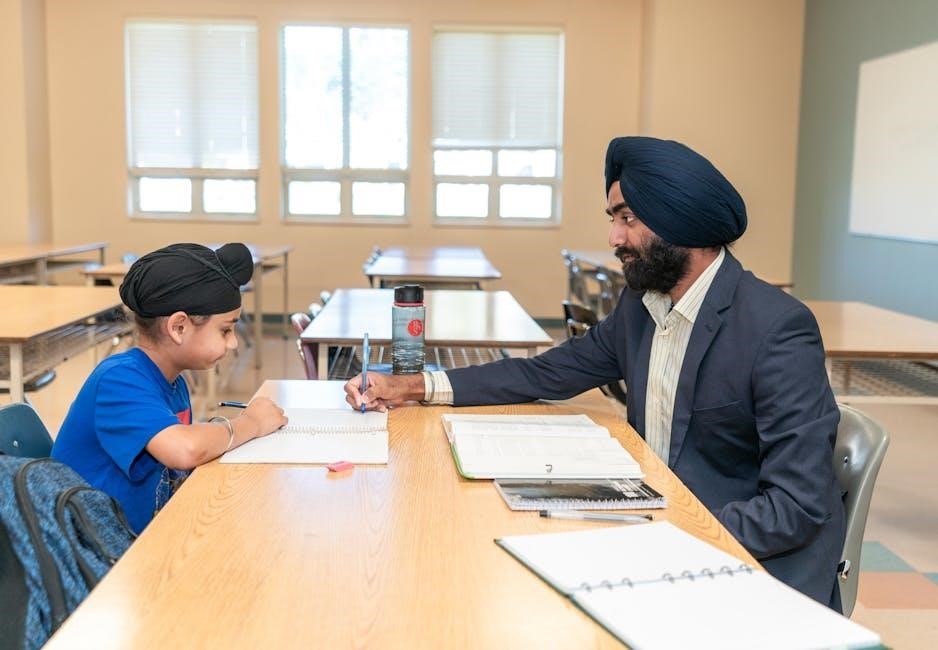
Inclusive education offers profound benefits for special needs students‚ fostering genuine participation and growth within the educational system. A primary advantage is the invaluable opportunity for these students to learn crucial teamwork skills. By actively collaborating with neurotypical peers on various projects‚ they develop essential social competencies‚ communication abilities‚ and a deeper understanding of diverse perspectives. This collaborative learning environment significantly heightens their sense of belonging within the broader school community‚ a crucial factor impacting emotional well-being and academic success. Inclusive settings actively work to dismantle demeaning public attitudes that have historically marginalized children with special needs‚ as observed in societies like Nigeria‚ by promoting mutual understanding. Instead‚ these environments cultivate acceptance and respect‚ where individual differences are celebrated rather than stigmatized‚ thereby fostering greater self-esteem and confidence. This empowerment enables students to engage more fully in their learning journey. Furthermore‚ exposure to the general curriculum‚ even with appropriate modifications‚ can challenge special needs students to achieve higher academic standards than expected in segregated settings; Interaction with a wider range of teaching styles and peer models also enriches their learning experience‚ preparing them more effectively for future societal integration and independent living.
Teacher’s Pivotal Role and Impact on Student Lives
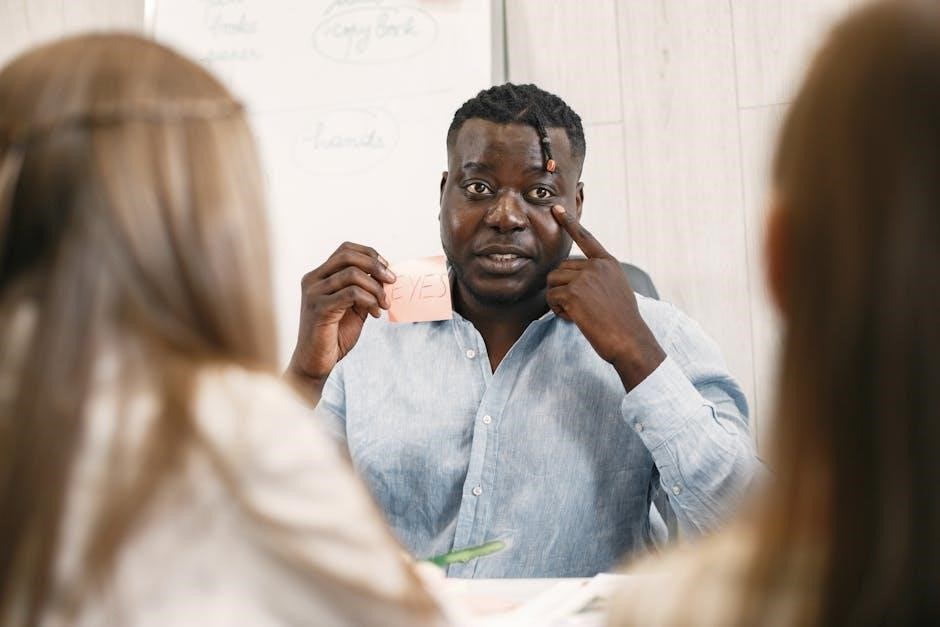
A teacher’s role in the lives of special needs students is undeniably pivotal‚ extending far beyond mere instruction. It is crucial for educators to recognize that they can make a truly huge‚ lasting difference in a student’s life‚ especially for those facing unique learning challenges. Their impact shapes academic outcomes‚ emotional well-being‚ and future societal integration. The effectiveness of a teacher’s performance‚ teaching method‚ and chosen strategies directly influences student perception and engagement‚ as highlighted by studies analyzing these critical elements. A dedicated teacher fosters an inclusive environment where every student feels valued and capable of growth. This involves not only implementing appropriate pedagogical approaches but also demonstrating empathy‚ patience‚ and a deep commitment to understanding individual needs. By adapting lessons and providing consistent support‚ teachers empower students with special needs to overcome obstacles and unlock their full potential. Their ability to inspire confidence and resilience is paramount‚ transforming learning into a positive and enriching experience. Furthermore‚ a teacher acts as a vital advocate for students‚ collaborating with families and other professionals to ensure comprehensive support. This multifaceted role solidifies the teacher’s position as a cornerstone of successful special needs education‚ profoundly influencing students’ trajectories.
Effective Teaching Strategies and Classroom Adaptations
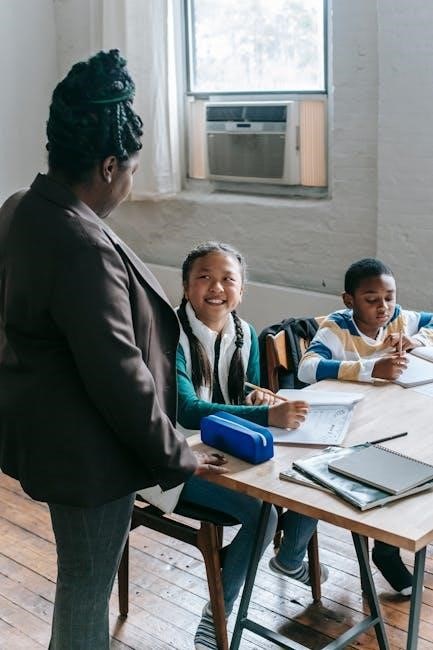
Effective teaching strategies require readiness to make modifications and accommodations. These adaptations help students with multiple disabilities access general education. Specific strategies for learning disabilities and approaches for educating mentally ill students are essential for an inclusive classroom.
Implementing Modifications and Accommodations
Teachers must be ready to make appropriate modifications and accommodations for students with special educational needs within inclusive classroom environments. This proactive readiness ensures that learning is universally accessible for everyone. The right modifications are essential for students with multiple disabilities‚ enabling effective access to the general curriculum and full participation in learning activities. These adaptations tailor delivery and assessment methods to suit individual learning styles‚ not simply simplifying content. Accommodations offer crucial supports like alternative material formats‚ extended task time‚ or varied response methods‚ facilitating participation. Modifications‚ conversely‚ alter curriculum scope or complexity‚ reducing learning objectives or adjusting content depth. Successfully implementing these crucial supports requires understanding each student’s unique profile and flexible instructional planning. The ultimate goal is creating an equitable environment where every student achieves potential and feels a genuine sense of belonging. Careful consideration ensures adjustments facilitate engagement and progress‚ maximizing student success.
Strategies for Students with Learning Disabilities
Teachers make a huge difference in students’ lives‚ employing specific strategies for learning disabilities. Multi-sensory instruction‚ engaging visual‚ auditory‚ kinesthetic pathways‚ enhances comprehension. Explicit and systematic teaching breaks complex information into smaller‚ digestible steps‚ ensuring foundational mastery. Providing clear‚ concise instructions and regularly checking for understanding prevents confusion. Consistent repetition and review of key concepts are vital for long-term retention. Integrating visual aids‚ graphic organizers‚ and assistive technologies supports diverse learning effectively. Differentiated instruction adapts content‚ process‚ and product to meet individual student needs within inclusive classrooms. Cultivating a predictable‚ supportive environment‚ coupled with positive reinforcement‚ builds self-esteem and motivation. Empowering students by focusing on their strengths and providing ample opportunities for guided practice is essential. These comprehensive strategies bridge academic gaps‚ enabling students with learning disabilities to achieve their full potential and thrive academically‚ fostering lifelong success.

Approaches for Students with Multiple Disabilities
Approaches for students with multiple disabilities demand highly individualized and comprehensive strategies. Teachers must be ready to make significant modifications and accommodations in the classroom. The right modifications and accommodations are crucial‚ as they can help a student with multiple disabilities access the general education curriculum and participate meaningfully. This often involves adapting instructional materials‚ varying presentation methods‚ and modifying assessment techniques to suit unique learning profiles. Assistive technology plays a pivotal role‚ from communication devices to specialized computer access‚ enhancing independence and engagement. A multidisciplinary team approach is essential‚ integrating input from therapists‚ specialists‚ and parents to create a cohesive support plan. Focusing on functional life skills‚ communication development‚ and sensory integration is paramount. Creating a highly structured‚ predictable‚ and sensory-friendly environment minimizes distractions and promotes learning. Patience‚ creativity‚ and consistent positive reinforcement are key to fostering progress and celebrating small achievements. These tailored strategies ensure that students with multiple disabilities receive the personalized support necessary to thrive academically and socially within an inclusive setting‚ unlocking their potential for growth and participation.
Educating Mentally Ill Students
Educating mentally ill students requires a compassionate and informed approach‚ recognizing the profound impact mental health conditions have on learning and behavior. As highlighted in various resources‚ including an annotated bibliography summarizing sources on this topic‚ teachers play a critical role. The first source‚ for instance‚ explains how specific strategies can be implemented to support these learners effectively. Key approaches include creating a predictable‚ calm‚ and supportive classroom environment that fosters a sense of safety and belonging. Teachers must be equipped to recognize signs of mental health challenges and understand the implications for academic engagement and social interaction. Implementing flexible teaching methods‚ providing accommodations for assignments and assessments‚ and offering opportunities for breaks or quiet time can significantly reduce stress and improve focus. Collaboration with mental health professionals‚ school counselors‚ and parents is paramount to ensure a holistic support system. Furthermore‚ promoting mental health literacy among all students helps to reduce stigma and build a more inclusive community. Patience‚ empathy‚ and consistent encouragement are vital in helping mentally ill students navigate their educational journey successfully‚ ensuring their academic and emotional well-being within the school setting.

Specialized Curricular and Integrated Methodologies

This section explores an integrated approach to teaching foreign languages and successful strategies for quality CLIL. It also covers teaching life cycles‚ adapting lessons to meet the unique needs of diverse students within inclusive classroom settings. These methodologies enhance learning experiences.
Integrated Approach to Foreign Language Teaching
An integrated approach to foreign language teaching provides a highly effective pedagogical framework for school students with special needs. This method significantly enhances engagement and comprehension by connecting language acquisition with various subject matters‚ making learning more relevant and accessible. Moving beyond traditional methods‚ it fosters a natural and meaningful language experience. Integrating foreign language instruction with curriculum topics or daily lives allows educators to cater to diverse learning styles and cognitive abilities. This approach often uses thematic units‚ project-based learning‚ and authentic materials‚ which are particularly beneficial for students who struggle with abstract concepts or rote memorization. The experience of implementing an integrated approach has demonstrated positive outcomes‚ improving linguistic proficiency‚ cognitive skills‚ and cultural awareness among special needs learners. Teachers adapt content‚ simplify complex structures‚ and provide multimodal input‚ ensuring the curriculum is inclusive and stimulating for all. This fosters a supportive environment where students develop communication skills at their own pace‚ building confidence and genuine interest in language learning. The ultimate goal is to make foreign language learning a holistic and enriching part of their overall educational journey‚ ensuring every student can achieve success in multilingual contexts.
Successful Planning and Strategies for Quality CLIL
“Towards quality CLIL: successful planning and teaching strategies” emphasizes a deliberate approach for all learners‚ particularly those with special needs. Effective planning for Content and Language Integrated Learning (CLIL) necessitates a deep understanding of both subject matter and language acquisition principles‚ especially when catering to diverse student requirements. Strategies must incorporate robust scaffolding techniques‚ such as graphic organizers‚ visual supports‚ and simplified linguistic structures‚ to make complex content accessible. Teachers should proactively pre-teach key vocabulary and concepts‚ providing multiple exposure opportunities through various modalities. Differentiated instruction is paramount‚ adapting materials and tasks to individual learning profiles and paces within the inclusive classroom setting. Collaborative planning between subject teachers and special education professionals ensures that necessary accommodations and modifications are seamlessly integrated into CLIL lessons. This includes breaking down tasks into smaller‚ manageable steps and offering varied response formats to demonstrate understanding. Quality CLIL for special needs students fosters an inclusive environment where language and content learning are mutually supportive. It empowers students to engage meaningfully with the curriculum‚ developing both academic knowledge and crucial language skills‚ thereby promoting greater educational equity and achievement. The focus remains on strategic implementation that truly meets unique student needs through thoughtful design‚ continuous assessment‚ and dynamic delivery.

Teaching Life Cycles to Meet Unique Student Needs
Teaching a lesson on life cycles demands adaptable strategies to meet the unique needs of diverse students in an inclusive classroom. This topic‚ intrinsically visual and sequential‚ presents opportunities for differentiated instruction. Educators must plan modifications and accommodations to ensure all learners‚ especially those with special needs‚ fully engage and comprehend the stages of growth and change.
Effective approaches involve multi-sensory experiences: utilizing real-life examples‚ detailed diagrams‚ tactile models‚ and engaging videos. Breaking complex life cycles into smaller‚ manageable steps aids students benefiting from chunked information. Providing clear‚ simplified language and pre-teaching key vocabulary are crucial. Hands-on activities‚ like planting seeds or observing insect metamorphosis‚ offer concrete learning experiences‚ reinforcing abstract ideas effectively.
Incorporating varied assessment methods allows students to demonstrate understanding in ways best suited to their abilities. Leveraging digital resources provides interactive exploration and repetition. Collaborative learning opportunities‚ where peers support each other‚ also enhance comprehension. The ultimate aim is to make life cycles accessible and meaningful for every student‚ fostering deep understanding of biological processes through tailored instructional design and supportive classroom practices.

Assessment‚ Digital Resources‚ and Documentation
Analyzing student perception of teaching methods and teacher performance is crucial. Leveraging digital resources‚ like YouTube videos for grammar instruction‚ enhances learning. Effective documentation supports ongoing assessment and tailored educational planning for diverse student needs.
Analyzing Student Perception of Teaching Methods and Performance
Understanding student perception of teaching methods‚ strategies‚ and teacher performance is paramount for refining educational approaches‚ particularly for special needs students. A significant study‚ for instance‚ specifically aimed to analyze student perception regarding a particular teaching method‚ teaching strategy‚ and the performance of a teacher utilizing an Eranitris YouTube video for grammar instruction. This analysis provides invaluable insights into digital resource efficacy and innovative pedagogical techniques within inclusive settings. Such studies help educators identify strengths and weaknesses in their delivery‚ allowing for targeted improvements crucial for fostering engagement and maximizing learning. By systematically collecting and evaluating student feedback‚ institutions can ensure that teaching strategies are not only well-designed but also effectively received and understood by diverse learners. This feedback loop is essential for fostering a positive and productive learning environment that genuinely caters to all students‚ including those with special educational needs. It enables continuous professional development for teachers and informs curriculum adjustments‚ ultimately leading to enhanced learning outcomes and greater student engagement across various academic disciplines and skill levels. This reflective practice ensures pedagogical choices are data-driven and student-centered‚ promoting a dynamic‚ adaptable‚ and highly responsive educational system.
Leveraging Digital Resources for Grammar Instruction
The strategic integration of digital resources profoundly enhances grammar instruction‚ particularly for students with diverse learning needs. Platforms like YouTube‚ as exemplified by an “Eranitris YouTube video for teaching grammar‚” offer dynamic‚ accessible content tailored to various learning styles. These resources provide visual demonstrations‚ auditory explanations‚ and interactive exercises‚ which are invaluable for reinforcing complex grammatical concepts. For special needs students‚ digital tools offer repetitive practice‚ immediate feedback‚ and a multisensory approach that traditional methods often lack‚ thus fostering deeper understanding. Teachers can effectively utilize these resources to create engaging lessons‚ differentiate instruction‚ and support individual learning paces. The flexibility of digital platforms allows for content adaptation‚ ensuring complex grammar rules are broken into manageable‚ understandable segments. Furthermore‚ digital resources make learning more engaging and less intimidating‚ fostering a positive attitude towards grammar acquisition. This approach aligns with modern pedagogical practices emphasizing inclusive education‚ where technology serves as a powerful equalizer‚ enabling every student to access and master essential linguistic skills effectively. Revisiting lessons and practicing independently through digital mediums empowers students to take ownership of their learning journey‚ leading to improved comprehension and practical application of grammar rules.