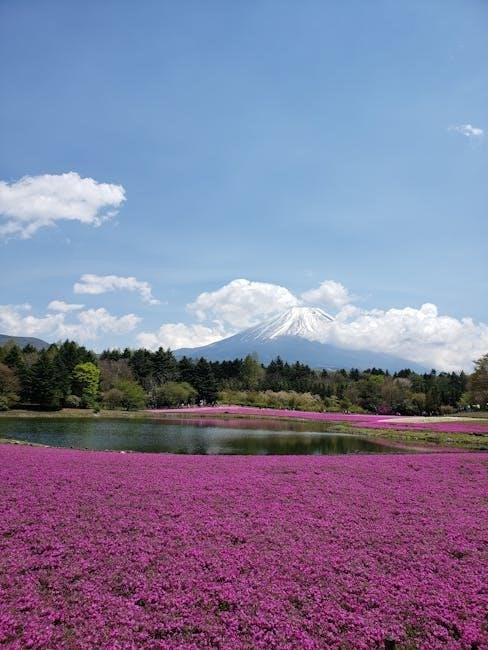
Shoyo-en Japanese Garden: A Self-Guided Walk
Shoyo-en offers a delightful walk through a meticulously crafted Japanese garden, easily accessible via the World Heritage Tour bus and a short stroll․
Explore this landscape garden, built centuries before the museum, and enjoy its serene beauty at your own pace, perhaps during peak autumn colors․
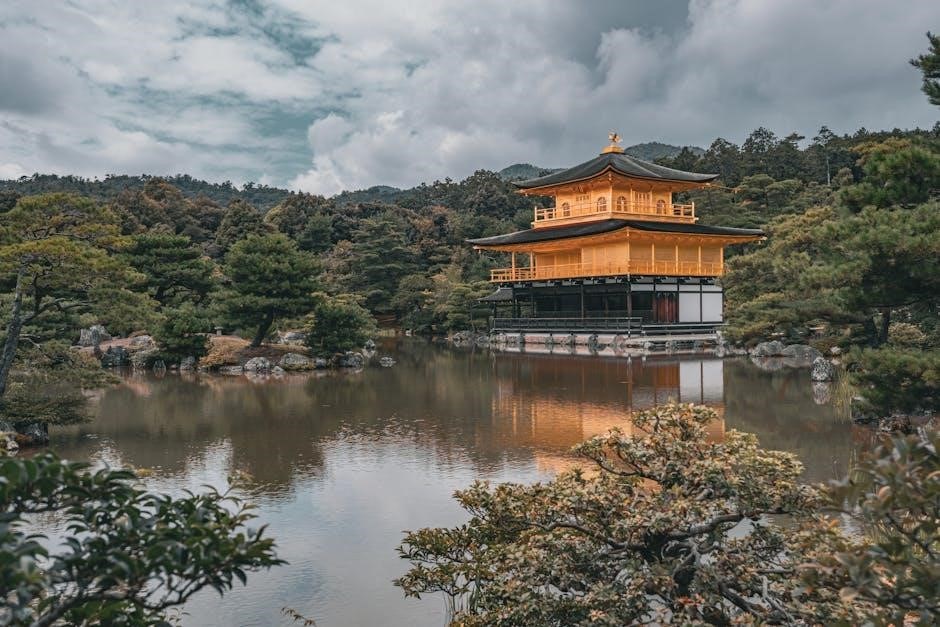
Consider joining a broader Nikko exploration tour to enhance your experience of this historical gem․
Shoyo-en Garden, nestled in the heart of Nikko, Japan, presents a captivating blend of natural beauty and meticulously planned design․ This tranquil haven invites visitors on a self-guided journey through a landscape steeped in history and cultural significance․ Easily reached via the convenient World Heritage Tour bus system, followed by a brief ten-minute walk from the Nishisando Iriguchi bus stop, Shoyo-en offers a respite from the bustling tourist trails․
More than just a visually stunning space, Shoyo-en is a testament to traditional Japanese garden aesthetics․ It’s a place where carefully arranged ponds, artfully placed stones, and vibrant flora converge to create a harmonious and contemplative atmosphere․ The garden’s origins predate the adjacent museum, with construction beginning over 300 years ago, adding layers of historical depth to the experience․
Whether you’re a seasoned garden enthusiast or a first-time visitor, Shoyo-en promises a memorable exploration․ It’s a destination frequently highlighted on broader Nikko tours, showcasing its importance within the region’s rich cultural tapestry․ Prepare to immerse yourself in a world of serene landscapes and timeless beauty, perfect for a peaceful walk and mindful reflection․
Historical Background of Shoyo-en
Shoyo-en Garden’s history is deeply intertwined with the Tokugawa Shogunate, specifically with Tokugawa Iemitsu, the third shogun․ Originally constructed in 1638 as a detached villa for Iemitsu, it served as a place for respite and contemplation․ The garden’s initial design reflected the shogun’s personal tastes and the prevailing aesthetic principles of the Edo period․
Over the centuries, Shoyo-en underwent several transformations, reflecting the changing fortunes of its owners and the evolving trends in garden design․ It transitioned through various hands, including those of the Nikko Toshogu Shrine, before eventually becoming part of the Nikko City Museum complex․ This evolution has resulted in a unique blend of historical styles and influences․

Interestingly, the garden predates the museum itself by over three centuries, highlighting its enduring legacy․ Its long history is evident in the carefully preserved features and the overall atmosphere of tranquility․ Today, visitors can trace the garden’s past through its layout, structures, and the stories embedded within its landscape, accessible via a leisurely walk and often included in comprehensive Nikko tours․
The Garden’s Design Philosophy
Shoyo-en’s design embodies core principles of Japanese garden aesthetics, aiming to create a microcosm of the natural world․ The garden isn’t merely a visual spectacle; it’s intended to evoke a sense of serenity and inspire contemplation․ Central to its philosophy is the concept of shizen – naturalness – achieved through carefully arranged elements that mimic landscapes․
The garden skillfully employs borrowed scenery (shakkei), integrating the surrounding mountains into its composition, blurring the boundaries between the garden and its environment․ This technique expands the perceived space and enhances the feeling of immersion in nature․ The design also emphasizes asymmetry and irregularity, avoiding rigid formality in favor of a more organic and dynamic arrangement․
Furthermore, Shoyo-en reflects the influence of different garden styles – a traditional Japanese garden, a landscape garden, and a formal garden – harmoniously blended․ A walk through the garden is designed to be a journey of discovery, revealing new perspectives and inviting quiet reflection, often experienced through guided tours or independent exploration․
Key Features: Pond and Islands
The central feature of Shoyo-en is its picturesque pond, meticulously designed to represent vast bodies of water within a compact space․ Scattered throughout the pond are several islands, each carefully shaped and positioned to symbolize islands in a larger landscape, creating a miniature world for visitors to explore during their walk․
These islands aren’t simply aesthetic elements; they are integral to the garden’s symbolism, often representing mythical islands or scenes from classical literature․ The pond’s surface reflects the surrounding scenery, enhancing the sense of depth and tranquility․ Stone arrangements around the pond’s edge and on the islands further contribute to the garden’s overall harmony․
Visitors on a self-guided walk will notice the careful placement of rocks and plants, designed to evoke a sense of naturalness and age․ The pond and islands, combined with the surrounding landscape, offer a captivating visual experience, making Shoyo-en a prime destination for those seeking a peaceful retreat, often included in broader Nikko tours․
The Tea House (Chashitsu)
A quintessential element of any traditional Japanese garden, Shoyo-en’s chashitsu, or tea house, embodies the spirit of wabi-sabi – finding beauty in imperfection and simplicity․ This structure isn’t merely a building; it’s a space designed for the Japanese tea ceremony, a ritual centered around harmony, respect, purity, and tranquility, enhancing any self-guided walk․
The tea house’s architecture is deliberately understated, constructed with natural materials like wood and paper, blending seamlessly with the surrounding landscape․ Its small size and minimalist design encourage intimacy and contemplation․ Visitors can admire the tea house from the outside, appreciating its subtle elegance and the carefully curated views it offers․
While access inside may be limited, observing the chashitsu provides insight into the cultural significance of tea in Japan and its connection to garden aesthetics․ It’s a focal point for many Nikko tours, representing a core aspect of Japanese tradition and a peaceful respite during a garden walk․
Stone Lanterns and Their Significance
Throughout Shoyo-en, you’ll encounter a variety of stone lanterns, or tōrō, each holding deep symbolic meaning within the garden’s design․ These aren’t simply decorative elements; they serve a practical purpose, originally illuminating pathways at night, and a spiritual one, guiding spirits and warding off evil․
Different styles of lanterns represent different elements and purposes․ Some are tall and elegant, resembling a pagoda, while others are more rustic and grounded․ Their placement is deliberate, carefully considered to enhance the garden’s composition and create focal points along your self-guided walk․

The lanterns often feature inscriptions, adding another layer of meaning and artistry․ Observing these details enhances the appreciation of the garden’s craftsmanship and the philosophical underpinnings of Japanese garden design․ They contribute to the serene atmosphere, inviting contemplation and a deeper connection with nature during your Nikko tour and garden exploration․
These lanterns are a beautiful addition to any walk․
Walking Paths and Scenic Views
Shoyo-en’s carefully designed walking paths invite visitors on a tranquil journey through its picturesque landscape․ These paths aren’t merely routes for traversing the garden; they are integral to the overall aesthetic experience, guiding the eye and revealing carefully curated scenic views․
The paths meander around the pond, through groves of trees, and past key features like the tea house and stone lanterns․ Each turn offers a new perspective, a different composition of natural elements designed to evoke a sense of peace and harmony․ The garden encourages a slow pace, allowing you to fully absorb the beauty surrounding you during your self-guided walk․
Look for vantage points that frame distant mountains or highlight the reflections in the pond․ The interplay of light and shadow along the paths adds depth and dimension to the scenery․ These views are particularly stunning during autumn, when the foliage transforms into a vibrant tapestry of colors, making your Nikko tour unforgettable․
Enjoy your walk!
Seasonal Highlights: Autumn Colors
Shoyo-en Japanese Garden truly shines during autumn, becoming a prime destination for capturing breathtaking fall landscapes․ The garden is particularly renowned for its vibrant autumn colors, transforming the entire space into a fiery spectacle of reds, oranges, and yellows․

Maple trees, a cornerstone of Japanese garden aesthetics, take center stage, their leaves ablaze with color․ These hues are beautifully reflected in the pond, creating a doubled effect of stunning visual impact․ The carefully placed stone lanterns and the traditional tea house are framed by the colorful foliage, enhancing their beauty and creating perfect photographic opportunities during your self-guided walk․
Visiting during peak season – typically November – offers the most dramatic display․ The interplay of sunlight filtering through the colored leaves creates a magical atmosphere․ Capture the essence of autumn with your camera, or simply immerse yourself in the serene beauty of this seasonal transformation as part of your Nikko tour․
Don’t miss this spectacle!
Flora and Fauna of Shoyo-en
Shoyo-en Garden showcases a carefully curated selection of plant life, typical of traditional Japanese gardens․ While specific details regarding the garden’s complete botanical inventory are limited, the presence of vibrant maple trees is prominent, especially celebrated during autumn․ These trees contribute significantly to the garden’s aesthetic appeal and seasonal transformations․
Beyond the maples, expect to encounter a variety of meticulously maintained shrubs and trees, chosen for their form, texture, and seasonal interest․ The garden’s design emphasizes harmony with nature, creating a tranquil environment․ The pond itself supports aquatic plants and likely attracts various small creatures․
Although detailed information on the fauna is scarce, the garden’s peaceful setting provides a habitat for birds, insects, and potentially small amphibians․ Observing these creatures adds another layer of enjoyment to your self-guided walk․ The garden’s integration with the surrounding Nikko landscape means occasional wildlife sightings are possible, enhancing the natural experience during your Nikko tour․
Enjoy the natural beauty!

Comparison to Other Japanese Gardens
Shoyo-en, while possessing the core elements of a traditional Japanese garden – pond, islands, tea house, and carefully arranged plants – distinguishes itself through its historical context and integration with the broader Nikko landscape․ Compared to larger, more expansive gardens like Kenrokuen or Korakuen, Shoyo-en offers a more intimate and focused experience․
Unlike the grand scale of some imperial gardens, Shoyo-en’s design emphasizes a refined simplicity, reflecting its origins as a villa garden․ It shares similarities with strolling gardens, encouraging a deliberate walk to appreciate the scenery from various viewpoints․ However, its relatively compact size allows for a complete circuit within a shorter timeframe․
Compared to the Zen gardens of Ryoan-ji, known for their minimalist rock arrangements, Shoyo-en embraces a more lush and naturalistic aesthetic․ While both types represent distinct Japanese garden styles, Shoyo-en provides a vibrant contrast, offering a different perspective on Japanese garden artistry during your Nikko tour․ It’s a unique gem!
Getting to Shoyo-en: Transportation Options
Shoyo-en is conveniently accessible from both Nikko Station and Tobu-Nikko Station, making it a straightforward addition to your Nikko itinerary․ The most popular method involves utilizing the World Heritage Tour buses, which operate frequently and provide a comfortable ride․ From either station, take the bus and alight at the Nishisando Iriguchi bus stop․
From Nishisando Iriguchi, a pleasant 10-minute walk leads directly to the garden entrance․ This walking path allows you to immerse yourself in the surrounding scenery, building anticipation for the garden’s beauty․ Alternatively, taxis are available at both stations, offering a direct but more expensive option․

For those arriving by car, limited parking is available nearby, though it can fill up quickly during peak seasons․ Public transportation is highly recommended to avoid parking hassles and contribute to a more sustainable visit․ Planning your route in advance ensures a smooth and enjoyable journey to this tranquil haven․
World Heritage Tour Bus Access
The World Heritage Tour buses represent the most practical and widely used method for reaching Shoyo-en from both Nikko Station and Tobu-Nikko Station․ These buses are specifically designed to service the area’s key historical and cultural sites, ensuring frequent departures and convenient access․
Look for buses clearly marked for the World Heritage sites; confirm with the driver that the route includes a stop near Shoyo-en․ The designated stop is Nishisando Iriguchi, from which a leisurely 10-minute walk will bring you to the garden entrance; Bus schedules are readily available at both stations and online, allowing for efficient trip planning․
A single-ride ticket or a day pass can be purchased, depending on your broader sightseeing plans․ The bus journey itself offers glimpses of Nikko’s scenic landscapes, enhancing the overall experience; Utilizing the Tour bus minimizes parking concerns and provides a stress-free transfer to this beautiful Japanese garden․
Nearby Attractions in Nikko
Nikko is renowned for its wealth of historical and natural attractions, making it an ideal destination for a multi-faceted exploration․ Beyond Shoyo-en, the Toshogu Shrine, a UNESCO World Heritage site, stands as a magnificent example of Edo-period architecture and intricate craftsmanship․ Its vibrant colors and detailed carvings are truly captivating․
Rinno-ji Temple, another significant temple complex, offers a serene atmosphere and beautiful gardens․ Futarasan Shrine, nestled amongst the trees, provides a tranquil escape and stunning views․ For nature enthusiasts, the surrounding Nikko National Park boasts hiking trails, waterfalls, and breathtaking scenery․
Consider a combined visit to the Nikko museums to delve deeper into the region’s history and art․ A day tour encompassing these highlights allows for a comprehensive experience․ Easily accessible from Shoyo-en, these attractions promise a memorable journey through Nikko’s cultural and natural heritage, complementing your garden walk․
Suggested Walking Route within the Garden
Begin your walk at the garden’s entrance, immediately immersing yourself in its tranquil atmosphere․ Follow the winding paths towards the central pond, pausing to admire the carefully arranged stones and meticulously pruned trees․ Circle the pond, taking in the views of the islands and the reflections on the water’s surface․
Continue towards the tea house (Chashitsu), appreciating its rustic charm and the surrounding landscape․ Explore the smaller pathways branching off the main route, discovering hidden corners and unique perspectives․ Don’t miss the strategically placed stone lanterns, adding to the garden’s serene ambiance․
A complete circuit of Shoyo-en typically takes around 30-45 minutes, allowing ample time for contemplation and photography․ This self-guided tour encourages a leisurely pace, enabling you to fully appreciate the garden’s design and beauty․ Remember to observe the details – each element is thoughtfully placed to create a harmonious whole․

Photography Tips for Shoyo-en
Shoyo-en presents exceptional photographic opportunities, particularly during autumn when the colors are vibrant․ Utilize the reflections in the pond to create symmetrical and captivating images․ Experiment with different angles to capture the interplay between the water, islands, and surrounding foliage․
Focus on the details – the texture of the stone lanterns, the delicate branches of the trees, and the moss-covered rocks․ Early morning or late afternoon light will provide the most flattering illumination, enhancing the garden’s natural beauty․
Consider using a wide-angle lens to capture the overall landscape, and a macro lens for close-up shots of the garden’s intricate features․ Capture the tea house framed by the surrounding greenery for a classic composition․ Remember to be respectful of other visitors while composing your shots, and enjoy documenting your walk through this stunning garden!
Visitor Information: Hours and Admission
Planning your walk through Shoyo-en requires checking the most current operational details․ While specific hours weren’t directly provided, it’s advisable to consult the official Nikko tourism website for up-to-date information regarding opening and closing times, as these can fluctuate seasonally․
Admission fees also vary, and it’s recommended to confirm the current cost before your visit․ Often, a combined ticket is available encompassing access to multiple Nikko attractions, potentially offering cost savings if you intend to explore beyond the garden itself․
The garden is conveniently accessible via the World Heritage Tour bus, with a short walk from the Nishisando Iriguchi stop․ Allow ample time for travel, especially if relying on public transportation․ Remember to check for any temporary closures or special events that might affect access during your planned visit․ Enjoy your self-guided exploration!
Accessibility Considerations
Navigating Shoyo-en Japanese Garden on a self-guided walk requires considering the terrain․ Traditional Japanese gardens often feature uneven pathways, gravel surfaces, and steps, which may present challenges for individuals with mobility impairments․ While the garden strives to be welcoming, complete accessibility isn’t guaranteed throughout the entire site․
Visitors using wheelchairs or with other mobility devices should anticipate potential difficulties on certain sections of the walking paths․ The garden’s design, rooted in historical aesthetics, prioritizes natural landscapes over modern accessibility standards․
The World Heritage Tour bus provides access to the vicinity, but reaching the garden entrance and maneuvering within requires careful planning․ It’s advisable to contact the Nikko tourism authorities directly to inquire about specific accessibility features and potential assistance available․ Consider bringing a companion for support if you have concerns about navigating the garden’s terrain․